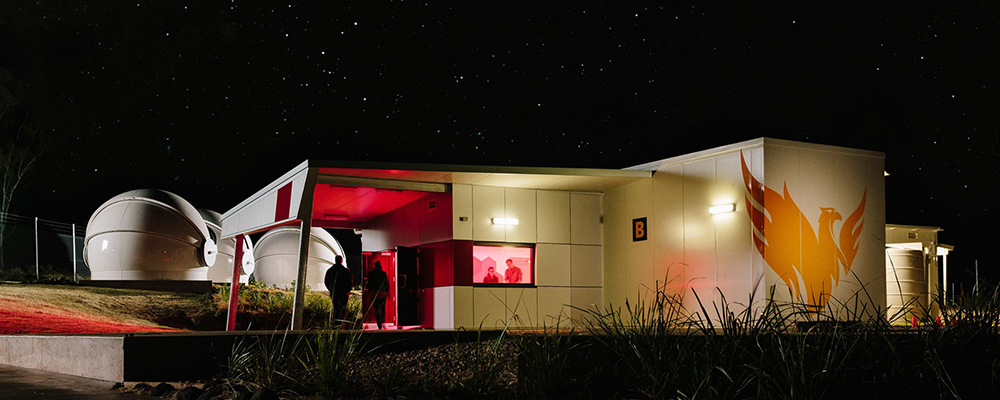
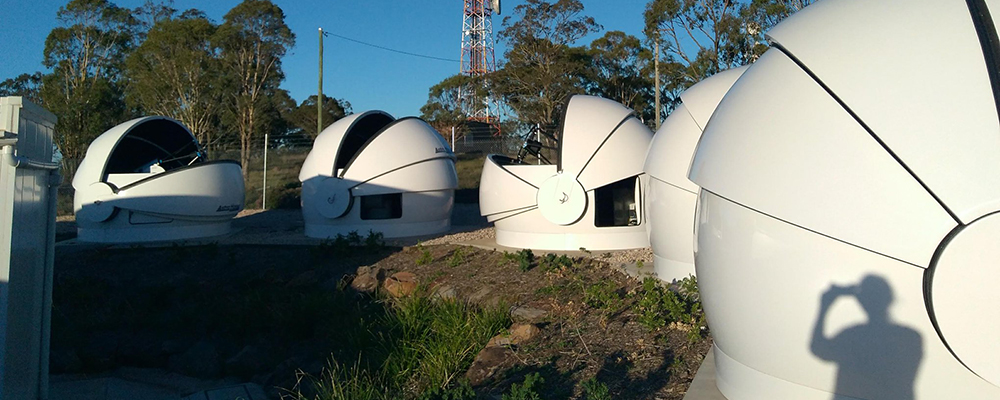
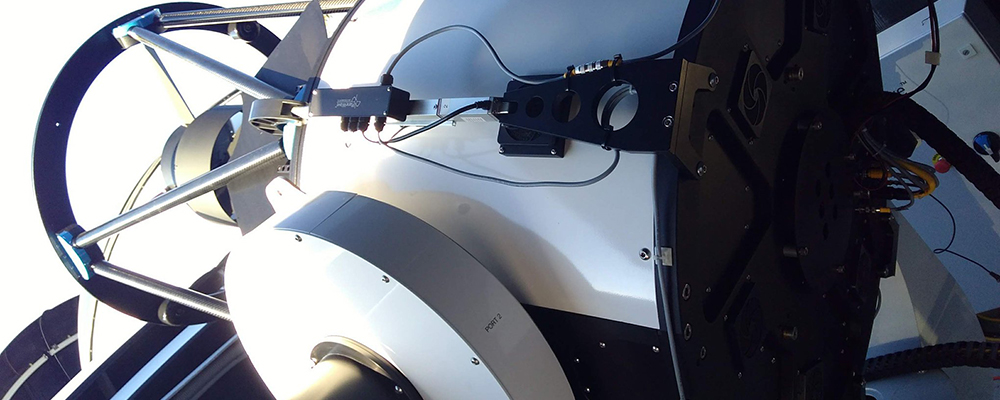
 Minerva-Australis is a facility for discovering new exoplanets, working closely with the NASA TESS mission.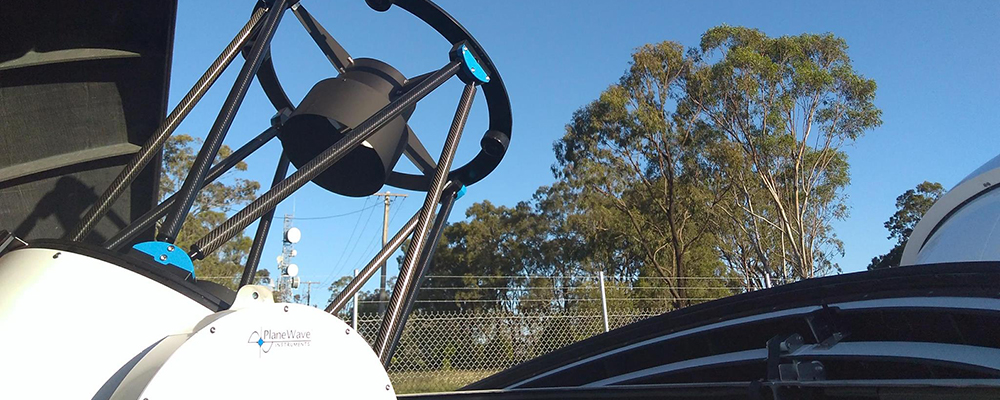

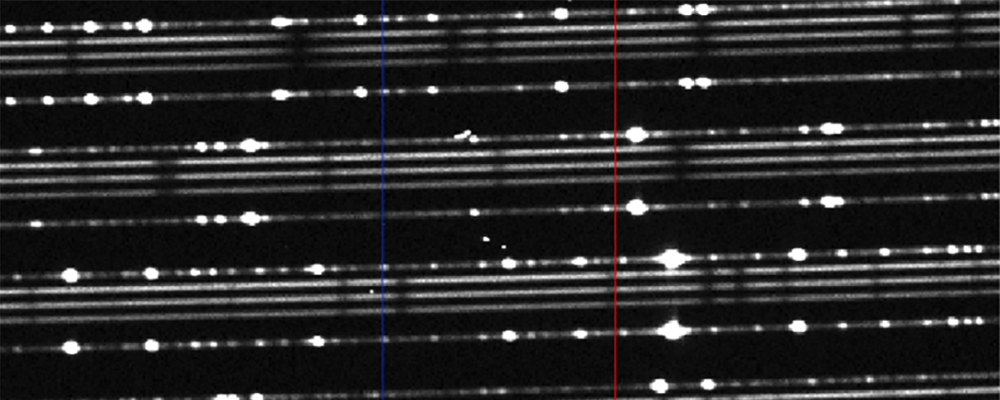 High-resolution spectroscopy and radial velocities used to discover exoplanets.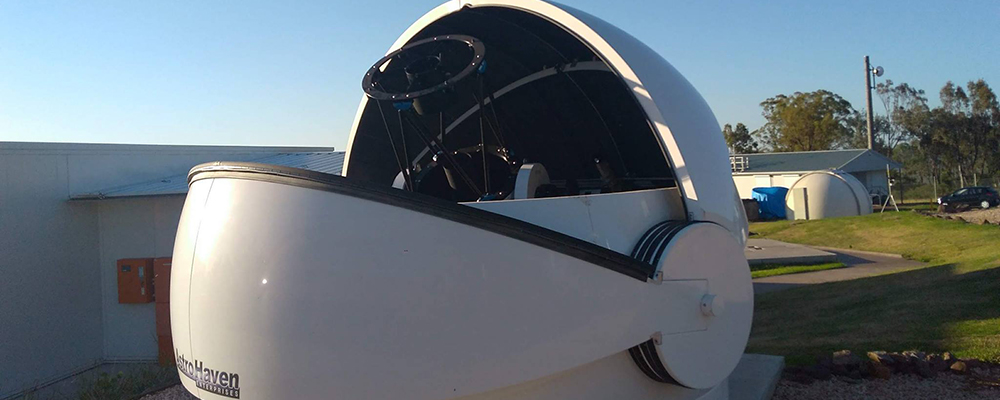
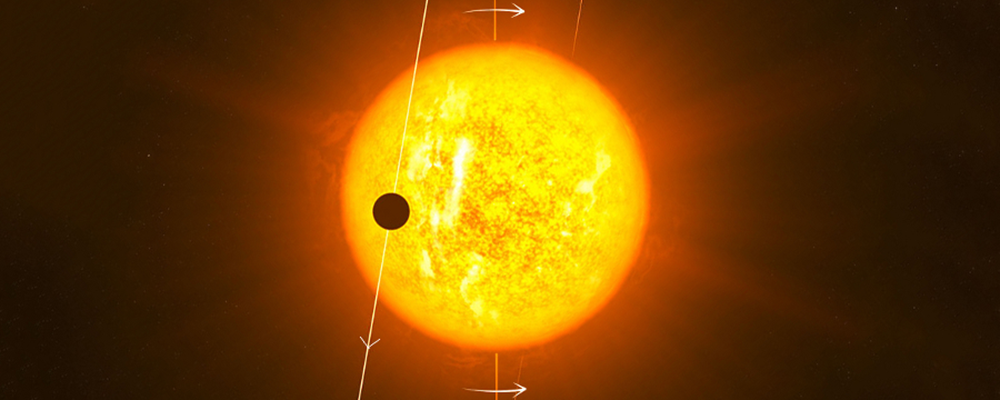
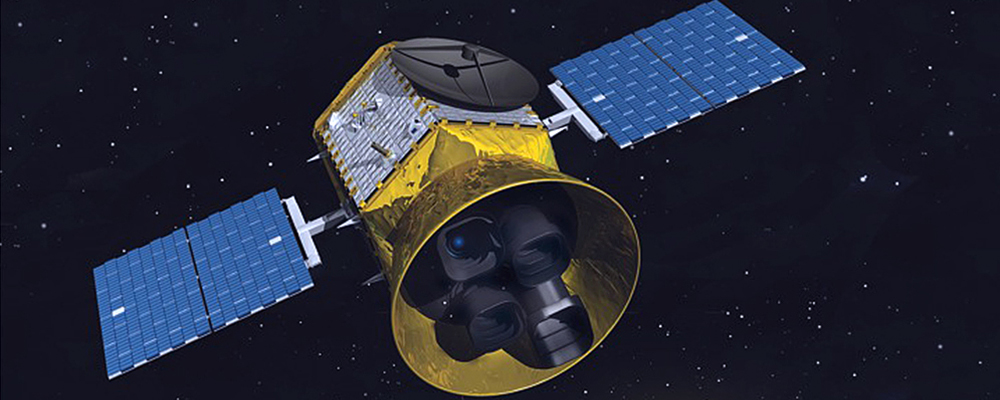 Transiting exoplanet survey of the whole sky to discover new planets.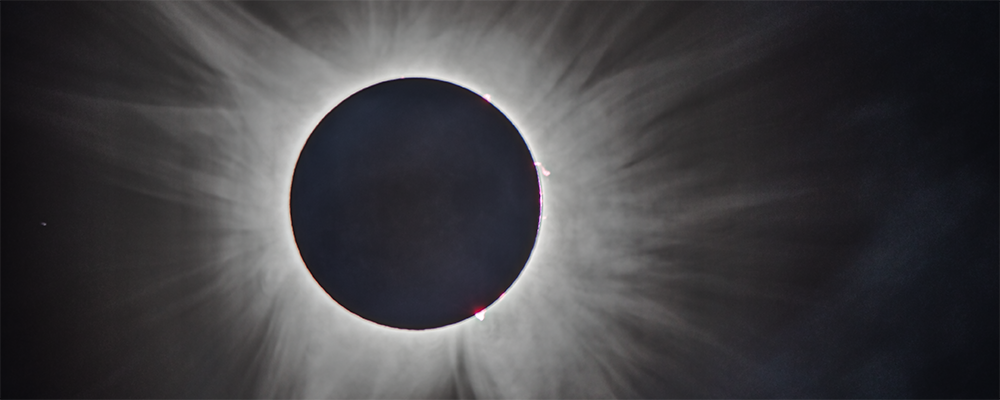
 1
1 2
2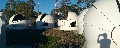 3
3 4
4 5
5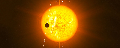 6
6 7
7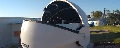 8
8 9
9 10
10Welcome to the personal website of Dr. Brett Addison
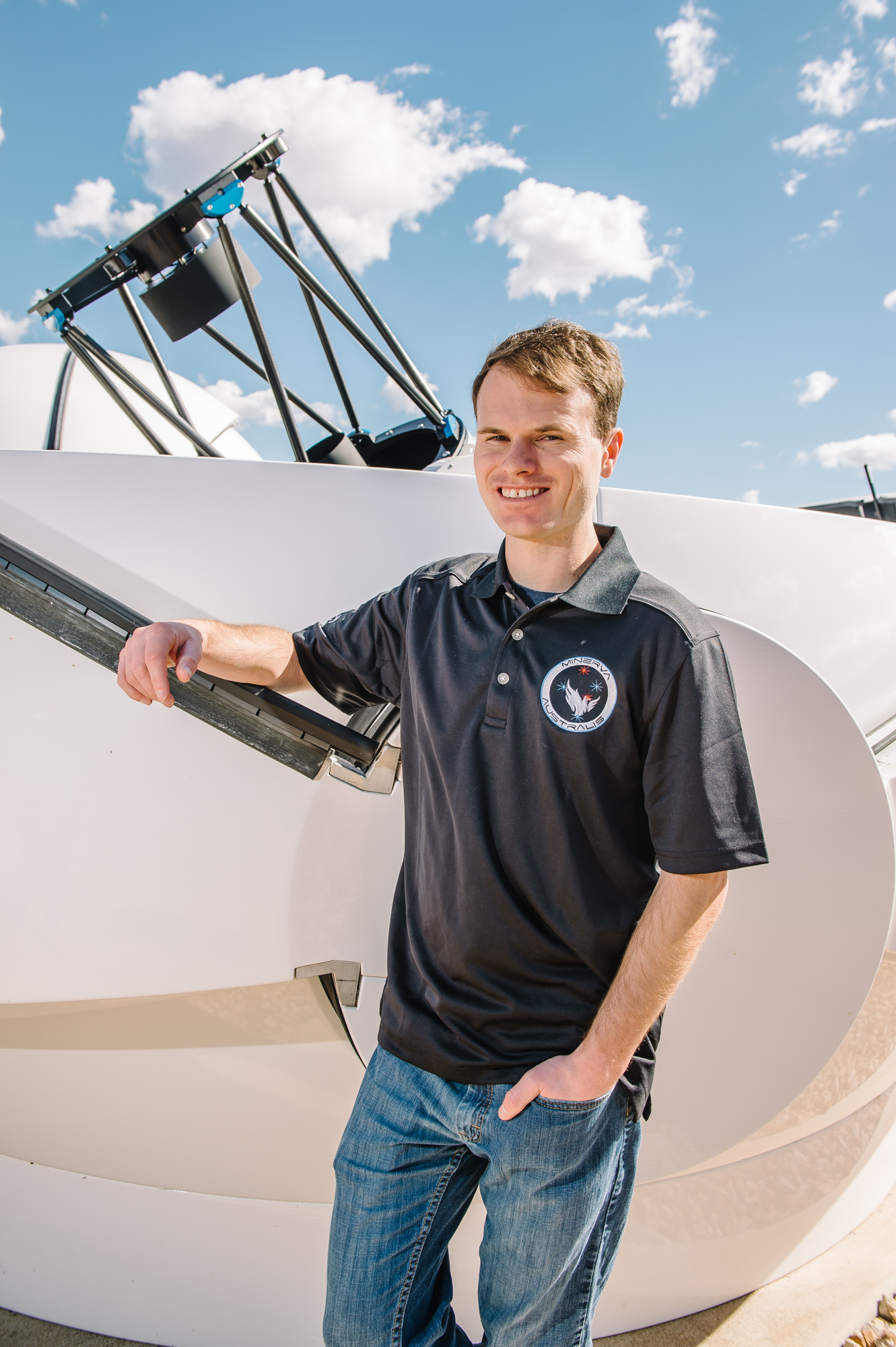
Welcome to my astronomy homepage! My name is Dr. Brett Addison and I am an astronomer/astrophysicist and a data scientist. I currently teach physics and astronomy courses at the University of Southern Queensland (UniSQ) as well as hold adjunct research fellowship positions at Swinburne University of Technology and UniSQ. For my current and past physics/astronomy teaching at UniSQ, please check out my teaching page. You can also check out the astronomy research projects that I'm currently working on as well as past projects on my research page. For data science projects, please see my data science page.
Prior to my role at UniSQ teaching physics and astronomy courses, I was a Postdoctoral Research Associate at Swinburne University of Technology from November 2022 until December 2023. I worked with (and continue to work with as an adjunct) Prof. Michael Murphy in the Centre for Astrophysics and Supercomputing on a project aimed at very precisely measuring (at ≤ parts per billion) variation in the fine structure constant α, which governs the strength of the electromagnetic force, across the Milky Way galaxy using giant stars. More specifically, we are obtaining high-resolution spectra of bright gaint (red clump) stars at distances of up to 8kpc towards the galactic center to measure Δα/α where dark matter is at its highest density. The motivation behind this project is to test 'Beyond-Standard' theories of physics that predict α varies as a function of dark matter density. In conjunction with this project, I am also using a differential equivalent width technique on the spectra of giant stars to try to identify specific spectral features that can be used to distinguish between red clump and RGB stars (stellar evolutionary stages that can overlap on color-magnitude diagrams), important for identifying a 'clean' sample of red clump stars to use for measuring Δα/α.
Prior to my postdoc position at Swinburne, I was a Research Fellow in Astrophysics at the University of Southern Queensland (UniSQ) in the Centre for Astrophysics from August 2018 until July 2022. At UniSQ, I worked with Prof. Rob Wittenmyer and his team of international collaborators on discovering new exoplanets using the recently built Minerva-Australis telescope array located at the Mt. Kent Observatory about 20km south of USQ in Queensland, Australia. My research at USQ involves the detection and characterization of exoplanets. I am using the Minerva-Australis telescope array to carry out radial velocity (RV) follow-up observations of transiting planet candidates found by the Transiting Exoplanet Survey Satellite (TESS). These observations will confirm new TESS planets and measure their bulk properties such as mass, density, and orbital eccentricity. In particular, the Minerva-Australis collaboration is focused on following-up small planets (< 4 Earth radii) orbiting bright stars (V < 11). TESS is expected to find hundreds of such small planets suitable for follow-up observations.
Prior to UniSQ, I was a postdoctoral research astronomer at Mississippi State University (MSU) in the Department of Physics and Astronomy working on the Starchive Open Access Stellar Database with Dr. Angelle Tanner.
I completed my PhD in astrophysics at the University of New South Wales (UNSW), Department of Astrophysics and Optics (School of Physics) in April 2015. During my PhD at UNSW, I was a member of the exoplanetary science group and was also associated with the Australian Centre for Astrobiology (ACA).
For more details on my astronomy research work, please check out my research page. In addition, you can read about my personal and professional interests and news, as well as any classes that I teach and outreach activities.